

Uranium demand is expected to surge nearly 30% by 2030 and more than double by 2040, driven by an unprecedented global buildout of nuclear power capacity, according to a new report from the World Nuclear Association (WNA). The looming shortfall of uranium — the essential fuel for nuclear reactors — is a critical hurdle in the world’s push for a nuclear energy renaissance.
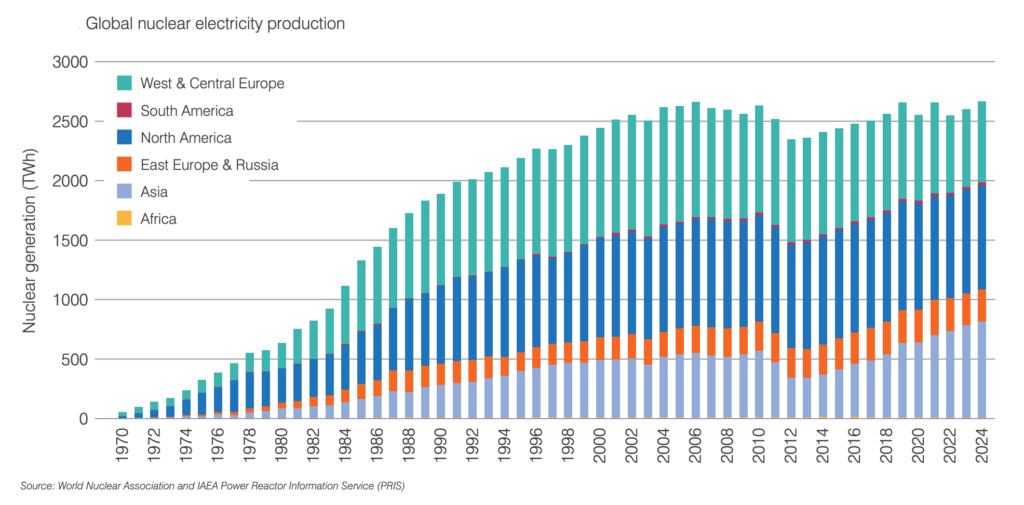
The report projects uranium requirements to climb to 86,000 tonnes by 2030 and reach 150,000 tonnes by 2040, compared to about 67,000 tonnes consumed in 2024. However, output from today’s mines is forecast to halve between 2030 and 2040 as existing deposits are exhausted, creating what the WNA describes as a “significant gap” that could threaten the revival of nuclear power.
Industry leaders say urgent investment is needed to locate new uranium sources and restart idle mines. “As existing mines face a depletion of resources in the next decade, the need for new primary uranium supply becomes even more pressing,” the WNA report warned.
Geopolitical instability — notably following Russia’s invasion of Ukraine — has intensified the drive for energy security and diversified supply chains. The loss of Russian oil and gas has prompted European nations and technology companies to turn to nuclear energy, seen as a cleaner alternative for powering data centers and meeting climate targets.
Major producers such as Kazatomprom in Kazakhstan and Canada’s Cameco have recently announced production cuts, adding further pressure to global supply. Kazatomprom, which accounts for over 40% of global uranium production, plans to lower output by about 10% in 2026, while Cameco faces development delays at key mines.
While secondary supplies from stockpiles and recycled materials currently help bridge the gap, their role is expected to diminish, covering just 4-11% of reactor needs by 2050.
Establishing new uranium mines is a complex process that can take up to two decades from discovery to production. The WNA also urges investment in conversion and enrichment facilities, with much of the new capacity already allocated to customers.
Without accelerated action, analysts warn that uranium prices could rise sharply and the nuclear sector’s ability to meet clean energy goals could be jeopardized. The coming decade, the report concludes, will be decisive for the future of nuclear power.