

Tin Deficit Tightens — and 2026 Could See Price Volatility

-

📌 Key takeaways

  • A new report from Fitch Solutions BMI forecasts a supply-driven deficit in refined tin markets, raising its 2026 tin price forecast to US$ 35,000/t from a prior US$ 32,000/t. 
  • Supply remains tightly constrained: major producers in Indonesia face persistent permit delays and export-control risks, while upstream ore flows from Wa State (Myanmar) remain unsettled. 
  • Demand from semiconductors, solar, EV electronics and data infrastructure continues to firm. That suggests tighter balances ahead if supply disruptions persist. 

Fitch Solutions BMI’s latest market dispatch warns the global tin market is moving into deficit. The firm lifted its 2026 price forecast to US$ 35,000 per tonne — up nearly 10 % — citing a “thin pipeline” of concentrates and shrinking refined output as key risk factors. 

That projection carries extra weight given tin’s supply structure: just a handful of smelters now dominate global output, making the metal unusually sensitive to upstream disruptions.

Why supply remains locked

Indonesia & Myanmar still key supply pressure points

Indonesia — historically the world’s largest exporter of refined tin — continues to struggle with mining-permit delays and export constraints. 

Meanwhile, ore supply from Wa State, long a major tin concentrate source for China’s smelters, remains uncertain. Despite occasional restart announcements at major mines, actual volumes shipped remain erratic or delayed. 

Bottlenecks in smelting and refining

Smelting capacity cannot simply be switched on overnight. With limited concentrate feed, many refining operations in China are already reporting constrained throughput — a choke point that could force refined-tin output well below prior projections. 

That structural supply tightness stands in contrast to typical base-metal cycles where demand weakness or market saturation cushions price swings.

Demand drivers remain steady

Tin’s traditional uses — electronics solder, wiring, packaging — remain stable. But growth is increasingly coming from high-tech and clean-energy sectors. Expansion of semiconductors, EV electronics, solar panels and data-centre hardware is pushing demand for refined tin upward. For example, serverboards connect the essential electrical components of a server and are 73% tin.
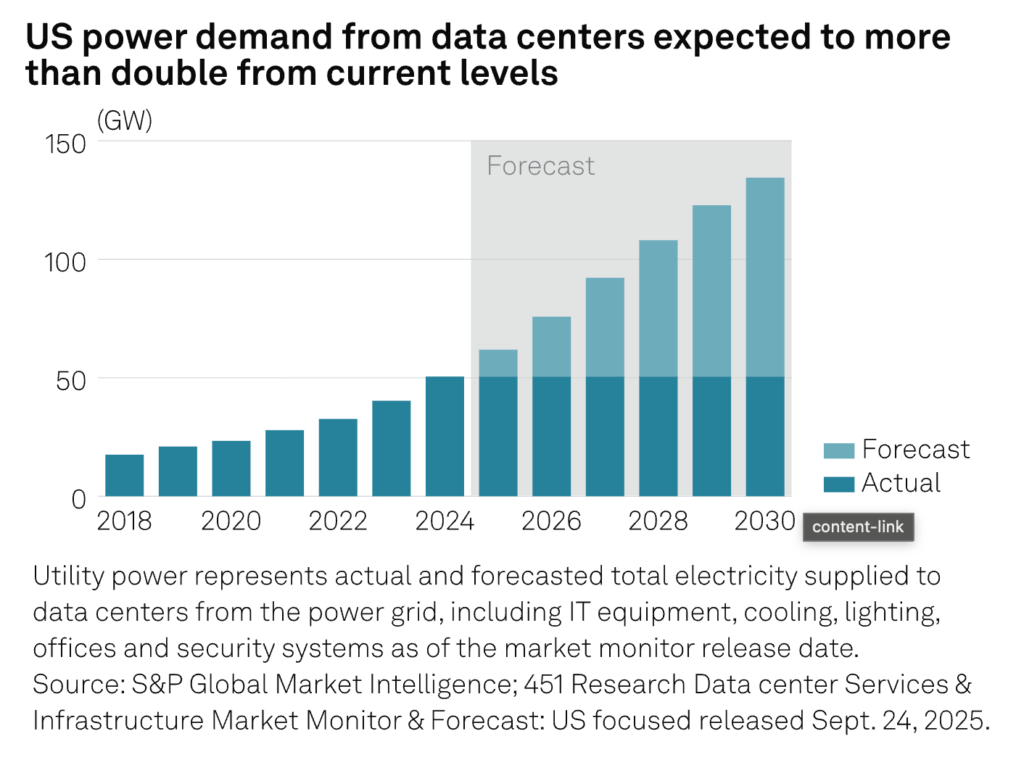
As global electrification and digitization intensify, tin’s role as a critical industrial metal is gaining strategic importance.

Disclaimer

The Critical Edge is a publisher of financial, commodities, and industry information. Content on this site—including articles, newsletters, podcasts, videos, infographics, and other media—may include sponsored material or advertising. Sponsored placements are clearly identified where applicable, but all editorial decisions remain solely with The Critical Edge.

The information provided is for informational purposes only and should not be considered investment, financial, legal, or professional advice. The Critical Edge is not a registered investment adviser and does not provide personalized or tailored recommendations. Readers should always conduct their own research and consult qualified, licensed advisors before making any investment or financial decisions.

Contributors, editors, directors, employees, or affiliates of The Critical Edge may, from time to time, hold positions in securities, commodities, or sectors mentioned. Readers should assume that such interests may exist.

Some statements on this site may be forward-looking in nature and based on assumptions or expectations that are inherently uncertain. Actual events, results, or market conditions may differ materially. Past performance is not indicative of future results.

While The Critical Edge strives to ensure accuracy, the information provided may be incomplete, delayed, or contain errors. No warranty is made regarding the reliability, accuracy, or completeness of the content. Neither The Critical Edge nor its affiliates accept liability for any direct or consequential loss arising from reliance on the information provided.

By accessing this site or affiliated social media accounts, you agree to this disclaimer and to our terms of use. Unauthorized reproduction or redistribution of content, in any form, is prohibited and may be subject to legal action.

Latest news

Copper Hits Record High as Supply Squeeze Meets AI Demand

Copper has hit another record high, with U.S. futures settling at $6.6495/lb, up 38% from a year ago. And...

Food Inflation Is Back. This Time the Shock Starts Before the Harvest.

US grocery prices rose 0.7% in April, the sharpest monthly increase in nearly four years, while food-at-home prices were...

Copper Tops $14,000 as Supply Squeeze Pushes Market Toward Record High

Copper has hit prices $14,000 a tonne. The metal rallied for an eighth straight session on Wednesday, touching $14,196.50/t on...

Jet Fuel Shortage: Airlines and Miners Face New Energy Shock

📌 Key Takeaways US airlines spent $5.06 billion on jet fuel in March, up 56.4% from February, according to the...

Big Funds Pour Billions Into Mining Supercycle Bet

📌 Key Takeaways Mining ETF assets more than doubled to $87.4 billion by March 2026, according to Reuters. Investors put $8.24...

Nickel Prices Hit Two-Year High as Indonesia Tightens Supply

📌 Key Takeaways Nickel rose as much as 1.8% to $19,350/t, the highest intraday level since June 2024.   Indonesia produced...